
Are you ready to transform your living space with some DIY woodworking projects? Whether you’re a novice trying your hand at crafting or an experienced woodworker seeking fresh inspiration, there’s something uniquely satisfying about creating functional art from raw materials. However, many beginners often struggle with sourcing materials, understanding safety protocols, and realizing the full potential of their projects.
In this article, we’ll guide you through ten exciting DIY woodworking projects that cater specifically to beginners, while also offering advanced tips for seasoned craftsmen. You’ll learn where to find materials economically, essential safety practices, and creative customization ideas. Plus, we’ll provide project completion photos to inspire you and show you what’s possible. Let’s get started on your woodworking journey!
10 Diy woodworking Projects
1. Simple Bookshelf
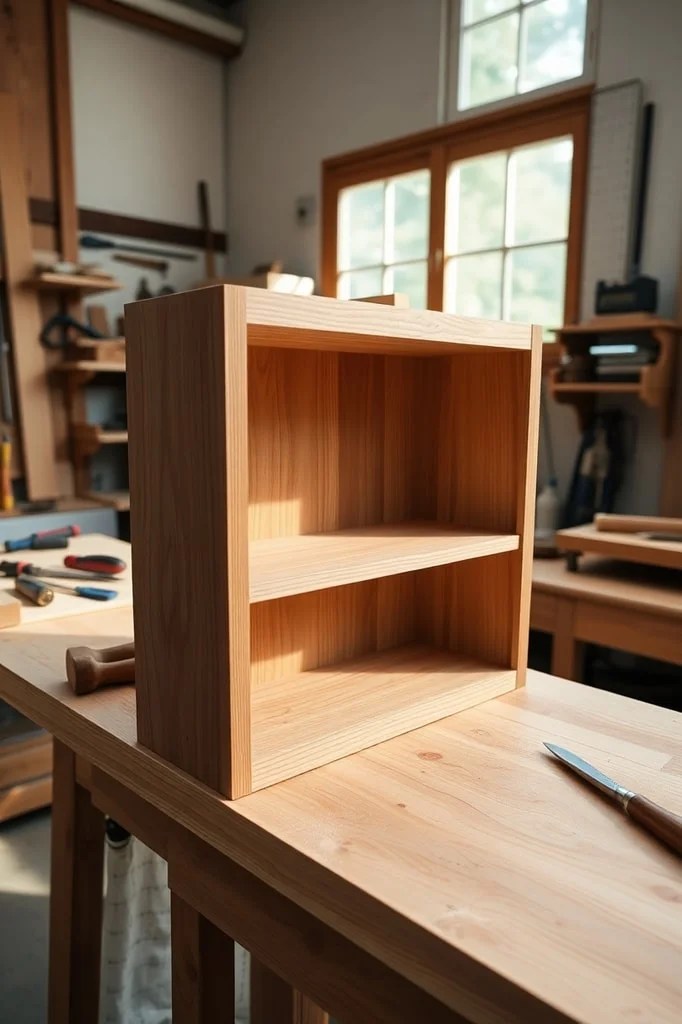
Creating a simple bookshelf is an ideal project for beginners, as it offers a straightforward way to practice essential woodworking skills. Start by selecting a softwood like pine, which is not only economical but also easy to work with. You’ll need a few boards for the shelves and sides. Use a circular saw for clean cuts and a drill for assembly. Sand the edges smoothly to prevent splinters, and consider finishing it with a clear coat to enhance the wood’s natural beauty.
Pro Tip: Use pocket hole joinery for a clean, hidden connection between shelves and sides.
Checklist: Ensure you have wood, screws, a drill, and a circular saw before starting.
2. Rustic Picture Frame
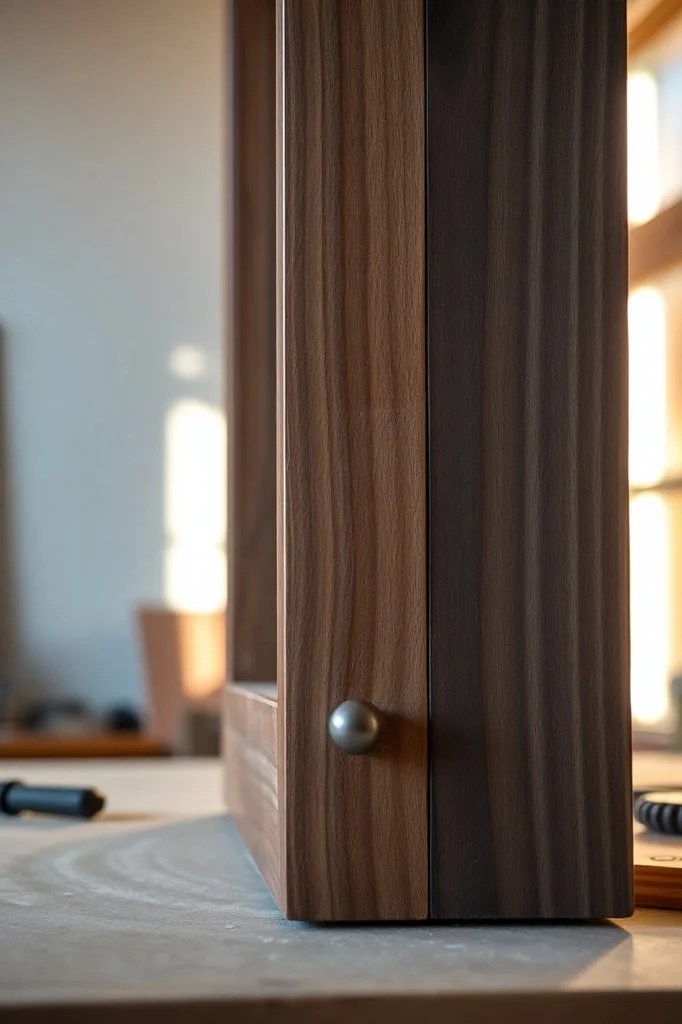
Crafting a rustic picture frame is a fun and personal way to display your memories. Select reclaimed wood for an authentic look, or use new wood and distress it with sandpaper and a hammer. Measure your photo accurately and cut the wood at 45-degree angles for a professional finish. You can also add a backing with cardboard or plywood. Finish with wood stain or paint to match your home decor.
DIY Difficulty: Easy, perfect for first-timers looking to practice miter cuts.
Budget Level: Typically under $30, depending on wood choices and finishes.
3. Garden Bench
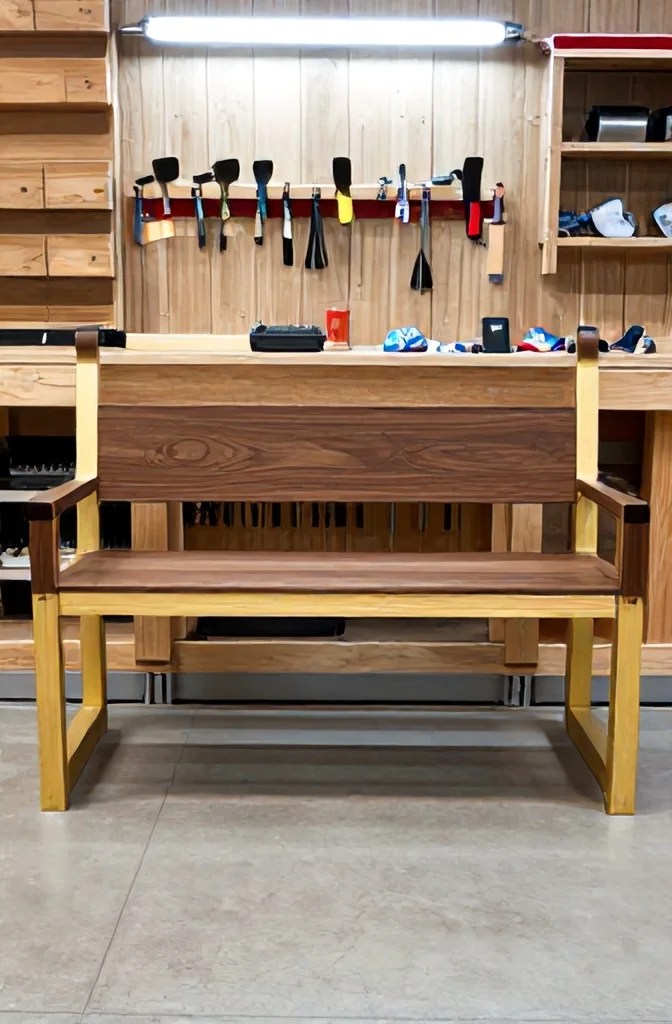
A sturdy garden bench is a fantastic addition to any outdoor space. To construct one, use pressure-treated lumber for durability against the elements. Design your bench with a simple rectangular top and sturdy legs. Secure the pieces with wood glue and screws, ensuring stability. Sand the surfaces to avoid splinters, and consider applying an outdoor sealant to protect it from moisture.
What to Avoid: Avoid using untreated wood, as it won’t stand up to outdoor conditions.
Pro Tip: Use a Kreg jig to create pocket holes for a neater finish.
4. Wooden Coasters
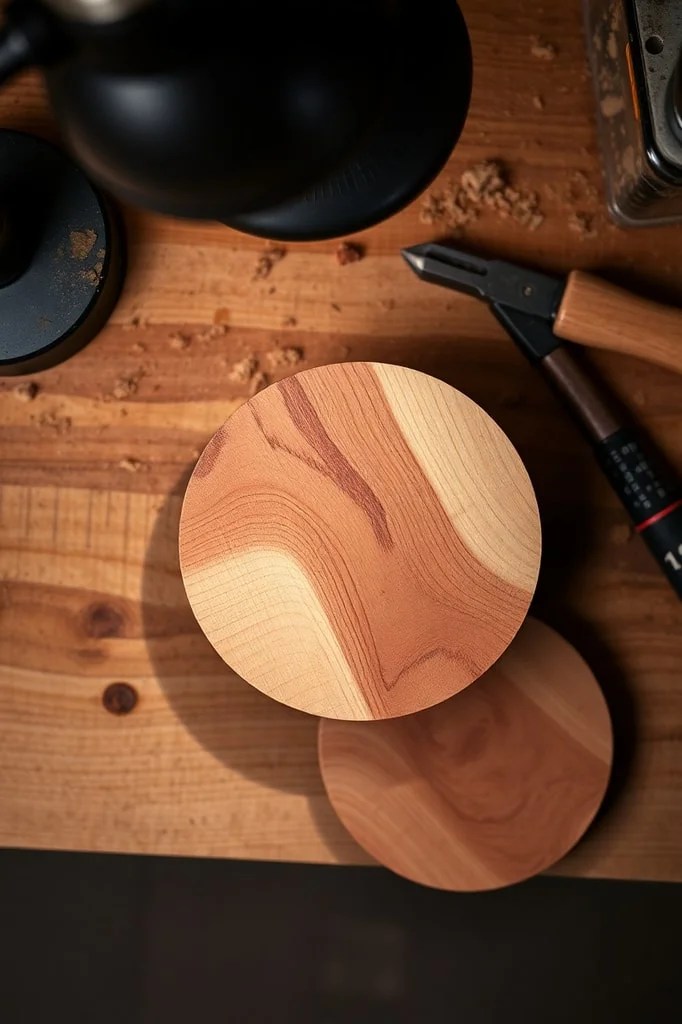
Wooden coasters are a quick and easy project that can be personalized in many ways. Cut squares or circles from hardwood like oak or walnut for durability. Sand the edges and apply a food-safe finish for protection. You can also engrave designs or initials using a woodburning tool for a personal touch. This project is perfect for practicing your sanding and finishing techniques.
Example: You can create coasters themed around holidays or family events.
Budget Level: Around $15 for materials, depending on the wood type.
5. Tool Organizer
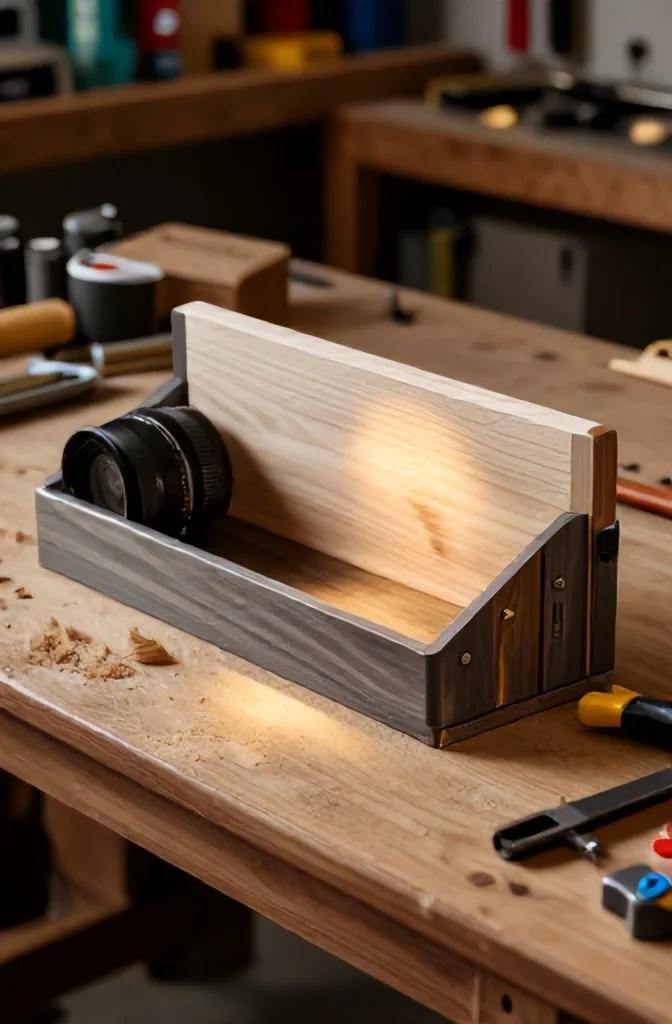
Creating a tool organizer is essential for maintaining a tidy workspace. Start with a piece of plywood, and design compartments that fit your specific tools. Use a jigsaw to cut out the shapes and assemble with wood glue and screws. This project helps you learn about compartmentalization and efficient space usage, which is crucial for any woodworker.
Pros & Cons:
Pros: Keeps your workspace organized, easily customizable.
Cons: Requires careful measurement; may take time to design.
6. Birdhouse
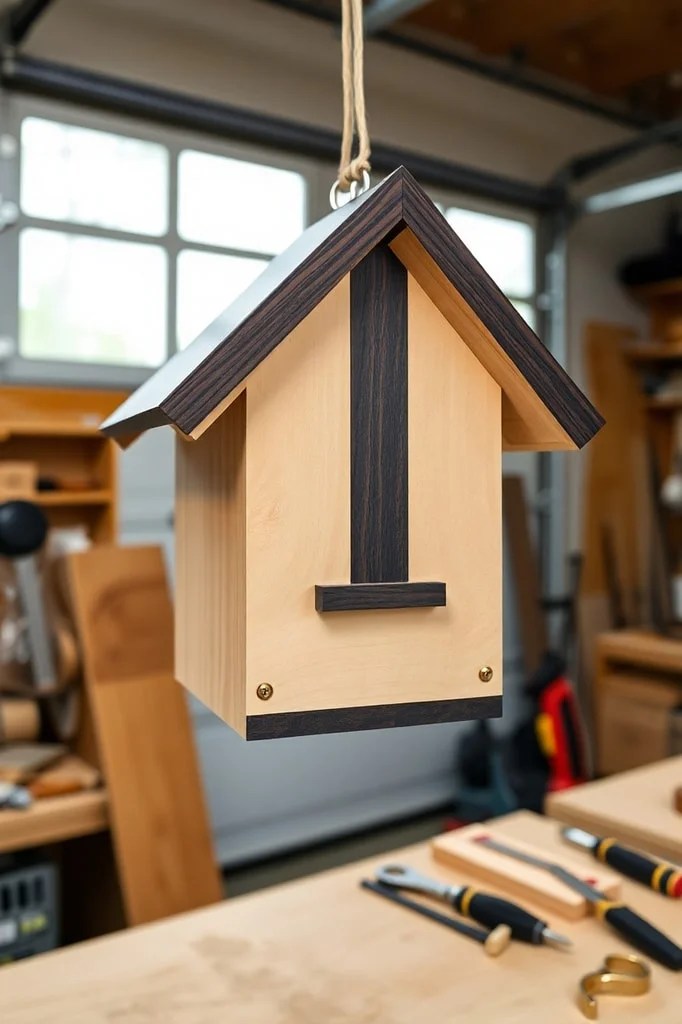
Building a birdhouse is not only enjoyable but also beneficial for local wildlife. Use untreated wood to avoid chemicals that could harm birds. Cut pieces for the base, walls, and roof, then assemble using nails or screws. Drill a hole for the entrance, ensuring it’s the right size for the bird species you want to attract. Paint or decorate the exterior to make it visually appealing.
What to Avoid: Avoid using treated wood, as it can be dangerous for birds.
DIY Difficulty: Moderate, with multiple components to assemble.
7. Wine Rack
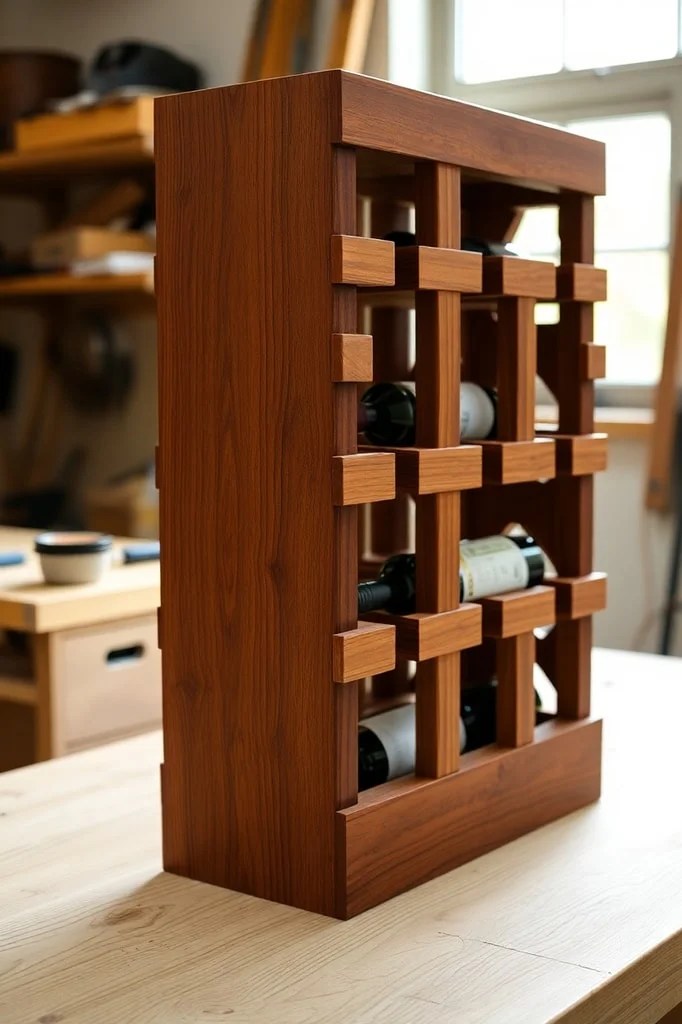
A wine rack is an excellent project that combines functionality with style. You can create a simple wall-mounted rack using a single plank of wood or a freestanding unit. Use a drill to create holes for the wine bottles, ensuring they fit snugly. Sand the edges and finish it with a stain that complements your interior.
Example: Consider customizing the design with your favorite wood species for a unique touch.
Budget Level: Approximately $50 for materials and finishes.
8. Step Stool
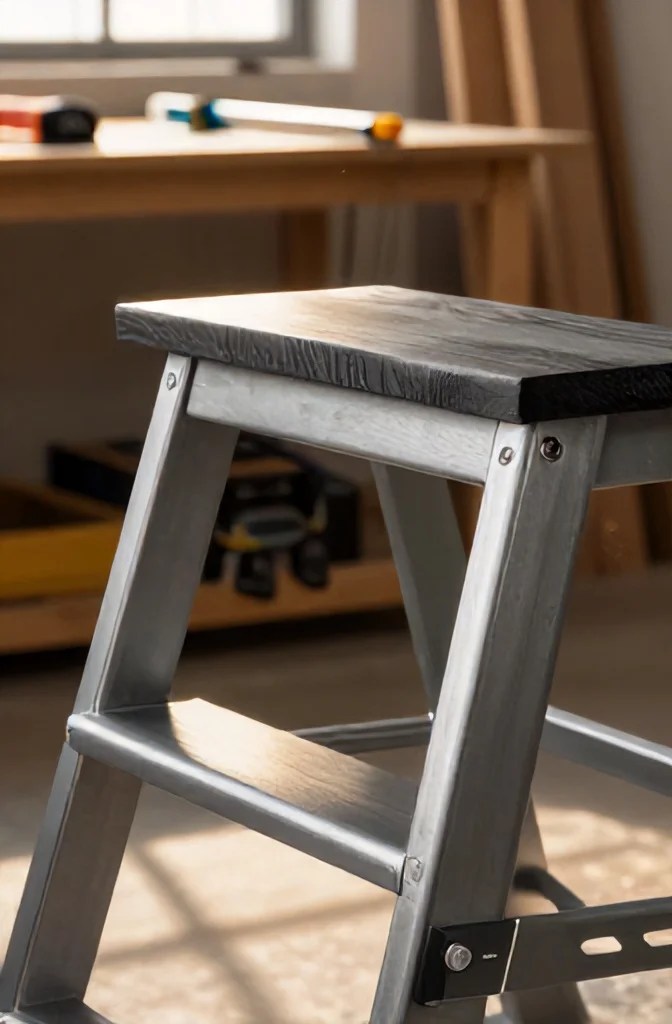
A step stool is not only practical but also a great project to enhance your woodworking skills. Use hardwood for durability and create a design that features two steps. Cut the wood accurately to ensure stability, and use a router for rounded edges to prevent splinters. Finish with a strong varnish to protect against wear and tear.
Pro Tip: Add non-slip pads on the feet to enhance safety while using the stool.
What to Avoid: Avoid using lightweight materials that can compromise stability.
9. Storage Crate
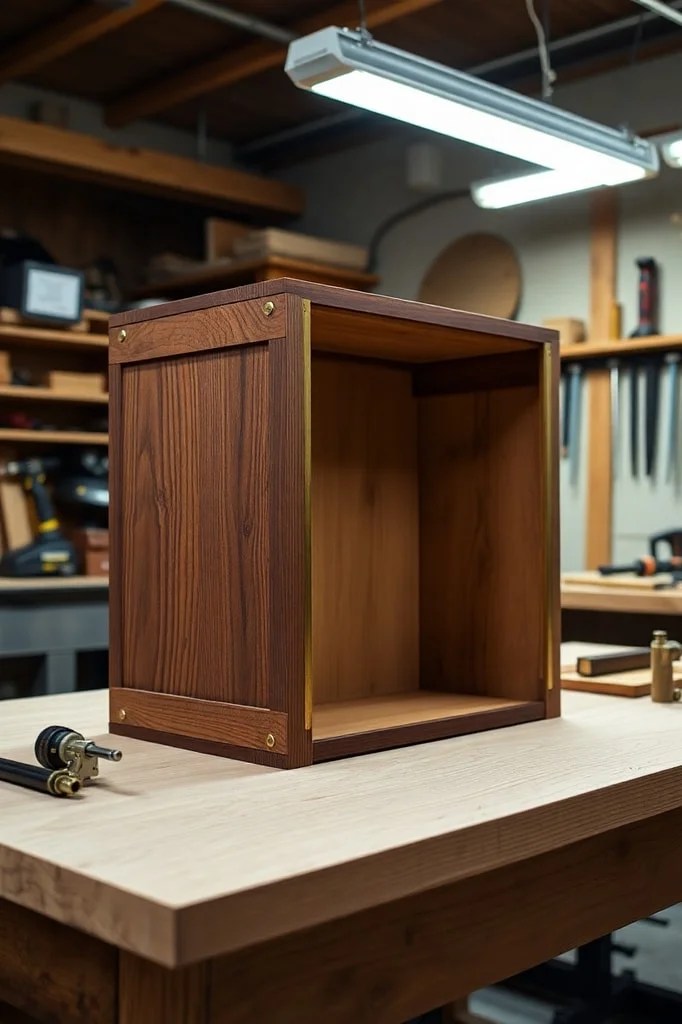
A storage crate serves multiple purposes and can be used in any room. Start with plywood and cut the pieces for the sides, base, and bottom. Assemble them with screws and wood glue, and consider adding handles for easy transport. Personalize it by painting or staining to match your home decor. This project will help you practice basic joinery and finishing techniques.
DIY Difficulty: Easy, making it suitable for beginners who want to learn about assembly.
Budget Level: Around $25, depending on the wood quality.
10. Coffee Table
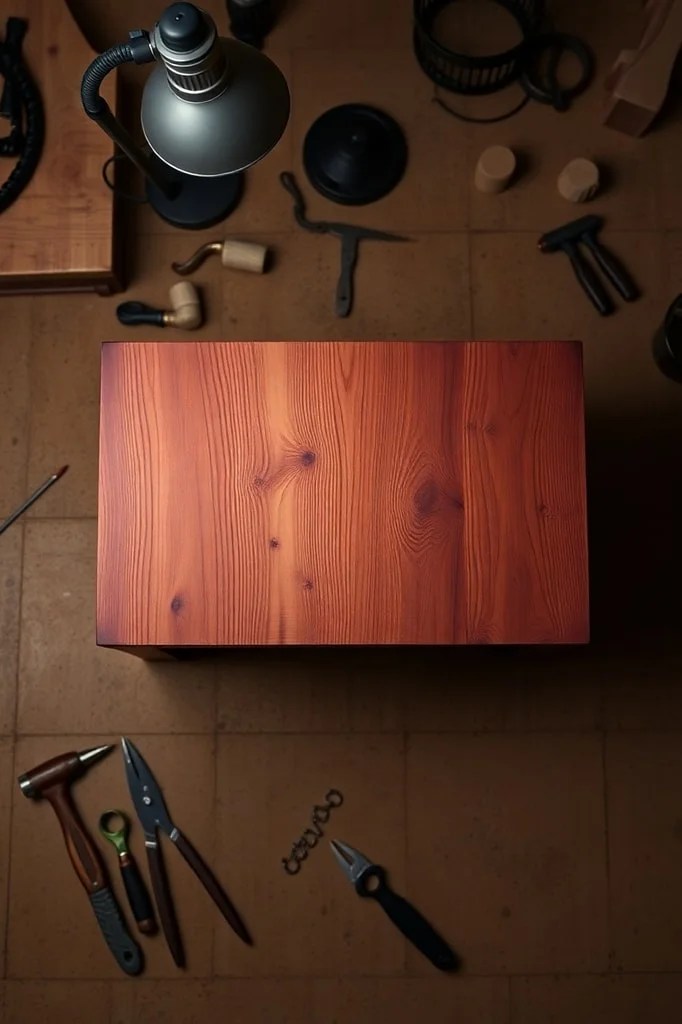
Creating a coffee table can be an ambitious yet rewarding project. Design a simple rectangular table with four sturdy legs. Use hardwood for the top to ensure longevity, and consider adding a shelf underneath for additional storage. Make sure to sand all surfaces thoroughly and apply a protective finish that matches your style.
Pros & Cons:
Pros: Functional piece that enhances your living room.
Cons: Requires a higher level of precision in cutting and assembly.
Comparison Table
| Item | Difficulty | Cost | Time | Skill Needed | Best For |
|---|---|---|---|---|---|
| Simple Bookshelf | Easy | $20-$100 | 1 hour | Low | Maximizing storage |
| Rustic Picture Frame | Easy | $15 | 30 mins | Low | Personalizing decor |
| Garden Bench | Moderate | $50-$150 | 3 hours | Medium | Outdoor seating |
| Wooden Coasters | Easy | $15 | 1 hour | Low | Quick gifts |
| Tool Organizer | Moderate | $30 | 2 hours | Medium | Keeping tools organized |
| Birdhouse | Moderate | $20 | 2 hours | Medium | Wildlife support |
| Wine Rack | Moderate | $50 | 2 hours | Medium | Storing wine |
| Step Stool | Moderate | $40 | 3 hours | Medium | Practical use |
| Storage Crate | Easy | $25 | 1 hour | Low | Versatile storage |
| Coffee Table | Hard | $100-$300 | 4 hours | High | Living room centerpiece |
Final Thoughts
Woodworking is not just a craft; it’s a way to express creativity while building something functional. Each of these DIY woodworking projects provides an opportunity for beginners to hone their skills while allowing experienced woodworkers to explore new ideas. By taking the time to learn about sourcing materials, safety practices, and customization, you can boost your woodworking game.
Don’t hesitate to share your completed projects with friends or online communities, as this can inspire others to take the plunge into woodworking. Remember, each piece you create tells a story, reflecting your personality and skills. Start your next project today, and enjoy the journey of making something truly unique!
Frequently Asked Questions
What Tools Do I Need to Start DIY Woodworking?
To begin your woodworking journey, you’ll need basic tools like a circular saw, drill, square, and clamps. As you progress, consider adding more specialized tools based on your projects.
How Do I Choose the Right Wood for My Projects?
Choose wood based on the project requirements and your budget. Softwoods like pine are great for beginners, while hardwoods like oak add durability and aesthetic appeal.
What Are the Best Safety Practices for Woodworking?
Always wear safety glasses and a dust mask when working with wood. Ensure your workspace is clean, and understand how to use each tool correctly before starting any project.
Can I Use Reclaimed Wood for My Projects?
Yes, reclaimed wood can add character to your projects. However, ensure it’s free of chemicals and in good condition before using it.
How Do I Finish My Wood Projects?
Finishing can be done with stains, varnishes, or oils. Choose a finish that suits your project’s purpose and aesthetic, and always apply it in a well-ventilated area.
Where Can I Find Affordable Wood for My Projects?
Check local lumber yards, home improvement stores, and even online marketplaces for affordable wood options. Salvaged wood from old furniture or pallets can also be a cost-effective source.